
 Today I made some applesauce. I just cut up some apples that had been in my fridge for a while, and simmered it with water and sugar. While I was chopping and peeling the skin off, I was thinking that I hadn’t done this in quite a while, and trying to remember if I had ever done so with my kids. In fact, I was trying to remember how many cooking/ making type things we had done together. Not too many! We certainly made lots of baked goods. We would mix and scoop cookie batter, we would frost cupcakes. Making ice cream in a great plastic ball filled with ice was a big hit, because we rolled it around the kitchen to mix it and wait for the final yummy frozen result.
As a preschool teacher and mom, I have done cooking activities with other peoples’ kids. I began to reflect on how that was different than doing it at home. The answer it turns out is time. In school, teachersschedule the cooking as a lesson. They plan ahead to have the materials and steps ready to insure success for their students’ understanding. At home, we often do not have lots of extra time to spontaneously cook with our kids.
Like so many parenting tasks, we are challenged by the planning and scheduling of time. The good news is, that every day we need to eat. Most of the time, we prepare food and eat at home. So it should be easy for us to find an extra five or ten minutes to slow down and do part of the food prep with our kids.
The beauty of cooking is that it incorporates so many different skills. First there are the senses: what does the food look like? ( what does fresh food look like? What color? ) What does it smell like? ( Great for descriptive words? Does the smell change as it cooks?) Getting your hands on food, besides being a great lesson is hygiene and hand washing, can open up a variety of tactile sensations. Even the sounds of eggs or nuts cracking, meat sizzling, or a knife slicing though an apple signal our brains that something good is on it’s way! Second, in addition to these sensations, food prep is a lesson in cleanliness, measurement, pouring liquids, multi-step sequencing, chemistry and patience!
That last skill, patience, is aboveand beyond all the others. It is a life skill! If you can spend a few minutes every few days purposely modeling the patience it takes to carefully chop, mix, measure, or stir, you’ll be modeling how to be patient when writing with pen and paper, waiting for someone, or building with construction toy. This translates to good practice for your kids when they are at home, so they will be ready to wait their turn in school or keep their cool driving behind a slow car or bus.
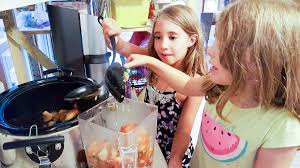
So then look for any opportunity to “ask for your child’s help” when you are cooking. Depending on age and dexterity, your child can actually help you do some part of the cooking. At first, it may take more time, but once you kids have mastered some fundamentals, they will actually be able to reduce the time you need to devote to cooking, or even make some foods for themselvesin time. Isn’t that the goal after all? When they leave home they should be able to make some basics like an omelette, roast veggies, boil pasta and cook a chicken and some hamburger.
It’s wonderful to have company in the kitchen. Some of my best talks have taken place while cooking with my adult children. One daughter loves to cook, and has actually encouraged me to widen my repertoire of recipes. She could make a great ramen in her college dorm room with a packaged noodle cup, rounded out with chicken breast, salad bar veggies, and hard boiled egg. All she had to do was microwave and through her ingredients together. She wouldn’t have thought to do this if she didn’t have the experience at home. Now living back at home, each daughter is responsible for cooking dinner one night a week. There have been some hiccups with the timing of grocery shopping, and estimating prep time and cooking in order to serve up dinner on time. But with practice, our daughters are mastering the whole sequence of dinner, and meals are varied and delicious.
A few Thanksgivings ago, when we didn’t have any guests coming over, my daughters planned, prepped and cooked the whole Thanksgiving meal. They spent a long time breaking down the menu, figuring out what the prep involved and who would do what. As it turned out, they found that one loves the prep but hates the cooking, and one loves the cooking especially when the mis-en-place ( all the prep laid out ahead of time) is done for her. With some coaching from me on the sidelines of the kitchen counter, the timing and use of oven space and pots and pans worked really well. They put into practice the skills they had, and saw the big picture of how to use your equipment, space, and time. Moreover, they practiced their negotiation and good communication skills. I figure, they will need these skills in their friendships, marriages, jobs, and in managing eldercare later in life. That Thanksgiving was particularly memorable for all the right reasons!
So like any other lesson learned, the more concrete how-to yields more abstract skills that are life skills. The sense of accomplishment will be great. So begin in the kitchen; begin with some apples. Let your toddler wash the apples, your preschooler measure the water and sugar, your elementary school aged kids chop and peel, your high schooler boil the mix and monitor it till it’s done. The satisfaction you will all have in eating the apple sauce or whatever you choose to make will be well worth the investment of your time.
 Mom Emeritus